Trees add beauty, shade, privacy, and environmental value to residential and commercial properties, but they can also become dangerous when structural problems, severe weather, disease, or unexpected damage compromise their stability. Many property owners struggle to determine whether a tree issue is a routine maintenance concern or a true emergency requiring immediate professional attention. Waiting too long to respond to hazardous tree conditions can increase the risk of property damage, personal injury, blocked access points, power interruptions, and costly repairs. Understanding what qualifies as a tree emergency helps homeowners make faster and safer decisions during stressful situations while protecting nearby structures, vehicles, utilities, and occupants.
Tree emergencies often develop without warning. Heavy storms, lightning strikes, soil erosion, high winds, root failure, or internal decay can suddenly weaken trees that previously appeared healthy. In some cases, warning signs such as leaning trunks, cracked limbs, uprooted bases, or hanging branches indicate immediate danger before complete failure occurs. Knowing when to contact a professional tree service is essential because emergency tree work frequently involves unstable conditions, specialized equipment, elevated safety risks, and technical removal procedures that should never be handled without training. Recognizing these risks early allows property owners to reduce hazards, protect surrounding landscapes, and restore safety before the situation becomes far more severe.
Understanding What Qualifies as a Tree Emergency
Immediate Threats To People And Property
Not every damaged tree creates an emergency situation, but certain conditions require urgent professional response because they pose an immediate danger to people, homes, vehicles, or infrastructure. A tree emergency generally involves structural instability, sudden failure, or hazardous positioning that creates a strong likelihood of injury or property damage if left unresolved.
Large limbs hanging over roofs, driveways, sidewalks, or power lines after storms often qualify as emergencies because weakened branches may fall without warning. Similarly, partially uprooted trees leaning toward occupied structures create serious risks during high winds or heavy rainfall. Even healthy-looking trees can become unstable after root damage or saturated soil conditions.
Emergency tree situations frequently worsen quickly. A cracked trunk that appears stable in the morning may split completely later in the day as environmental pressure increases. This is why fast assessment by trained professionals is critical when visible structural damage exists.
Common Scenarios That Require Emergency Tree Service
Several real-world situations commonly require immediate tree service intervention:
Storm-Damaged Trees
Severe storms are among the leading causes of tree emergencies. Strong winds, lightning, hail, and heavy rainfall can snap limbs, split trunks, or uproot entire trees. Trees weakened by age or disease are especially vulnerable during major weather events.
Fallen Trees Blocking Access
Trees that block roads, driveways, garages, or building entrances often require urgent removal because they interfere with transportation, emergency access, or daily activities.
Trees Contacting Power Lines
Any tree touching electrical lines represents a dangerous situation that should only be handled by trained professionals and utility providers. Attempting to cut or move branches near energized lines creates a high risk of electrocution.
Split Or Cracked Trees
Deep vertical cracks, sudden trunk splits, or large structural separations indicate severe instability. These conditions often worsen rapidly and may lead to complete tree failure.
Understanding these emergency indicators helps property owners avoid delayed responses that can increase liability and damage costs.
Why DIY Tree Emergency Response Can Be Dangerous
Emergency Tree Work Involves Serious Hazards
Many homeowners attempt to remove damaged branches or fallen trees without realizing how dangerous emergency tree work can become. Tree emergencies often involve unstable wood, elevated cutting positions, hidden tension forces, electrical hazards, and unpredictable structural movement.
A partially fallen tree may shift suddenly during cutting, trapping or injuring anyone nearby. Broken limbs suspended within the canopy can fall unexpectedly once pressure changes occur. Even smaller trees can create crushing hazards when improperly handled.
Chainsaws add another layer of risk. Operating cutting equipment around unstable trees requires specialized training, protective equipment, and experience with advanced removal techniques. Injuries commonly occur when inexperienced individuals underestimate tree weight distribution or cutting tension.
Electrical And Structural Dangers
One of the greatest risks during tree emergencies involves nearby utility lines. Trees contacting electrical wires can energize branches, fences, puddles, and surrounding surfaces. Direct or indirect contact may result in severe injury or fatal electrocution.
Roofing And Structural Damage Risks
Trees resting on roofs, garages, or fences create additional complications because weight distribution may continue shifting after impact. Improper removal can worsen structural damage or cause complete collapse of weakened sections.
Unstable Weather Conditions
Emergency situations often occur during storms, high winds, snow accumulation, or saturated ground conditions. Working outdoors during unstable weather increases the likelihood of slips, falls, equipment failure, and uncontrolled tree movement.
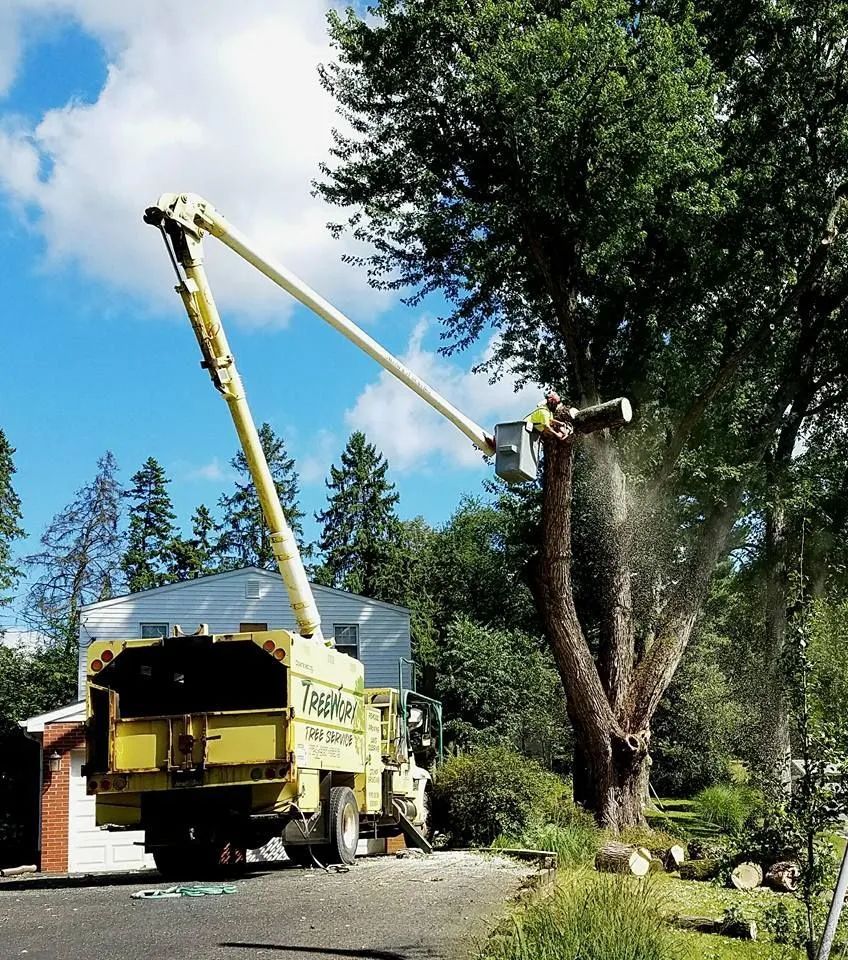
Professional tree specialists use rigging systems, cranes, bucket trucks, climbing equipment, and safety procedures designed specifically for hazardous removals. These tools and techniques allow controlled removal while minimizing additional property damage and injury risk.
Attempting DIY emergency tree work frequently creates greater danger than the original problem itself.
How Professional Tree Services Handle Emergencies
Rapid Assessment And Hazard Evaluation
Professional emergency tree services begin by assessing the severity of the situation, identifying immediate hazards, and determining the safest removal strategy. This evaluation includes examining tree stability, nearby structures, utility risks, weather conditions, access limitations, and surrounding landscape features.
Not every emergency requires full tree removal. In some cases, strategic branch removal, cabling, stabilization, or hazard reduction may restore safety while preserving the tree when possible.
Professionals also prioritize the most dangerous risks first. Trees threatening occupied buildings, roadways, or power infrastructure typically receive immediate attention due to the higher potential for injury or widespread disruption.
Specialized Equipment Improves Safety
Emergency tree removal often requires advanced equipment that allows crews to manage unstable trees under difficult conditions.
Crane-Assisted Removals
Large trees leaning over homes or commercial structures may require cranes for controlled sectional removal. Crane operations help prevent sudden collapse while protecting nearby property.
Rigging And Controlled Lowering Systems
Professional rigging systems allow crews to lower heavy branches carefully instead of letting them fall freely. This reduces impact damage to roofs, fences, landscaping, and surrounding structures.
Emergency Cleanup And Debris Removal
Tree emergencies frequently leave behind scattered debris, broken fencing, damaged landscaping, and blocked access points. Professional cleanup services help restore safe access while removing hazardous materials from the site.
Fast professional response also helps property owners document storm-related damage for insurance purposes. Clear assessments and removal documentation may support claims involving weather-related tree failures.
Working with trained tree professionals ensures hazardous situations are managed with proper safety procedures and controlled removal techniques.
When To Call A Tree Professional Immediately
Situations That Should Never Wait
Certain tree conditions require immediate professional attention because delaying response increases the likelihood of severe damage or injury.
You should contact a professional tree service immediately if:
- A tree has fallen onto a home, garage, vehicle, or structure
- Large limbs are hanging over occupied areas
- A tree is leaning suddenly after a storm
- Branches are touching power lines
- The trunk has split significantly
- The root system appears uprooted
- A tree blocks roads or emergency access
- Cracking sounds are coming from the tree
- Major limbs have broken but remain suspended
Ignoring these warning signs can allow conditions to deteriorate quickly, especially during ongoing severe weather.
Preventive Inspections Reduce Emergency Risks
While some emergencies occur unexpectedly, many hazardous tree situations can be prevented through regular inspections and maintenance.
Seasonal Tree Evaluations
Professional inspections before storm seasons help identify weak branches, decay, structural defects, and overextended limbs before they fail under pressure.
Routine Pruning And Maintenance
Removing dead branches, thinning heavy canopies, and addressing structural weaknesses improves tree stability and reduces storm-related damage risks.
Monitoring High-Risk Trees
Older trees, storm-damaged trees, and species prone to decay benefit from ongoing monitoring to detect worsening conditions before emergencies develop.
Property owners who invest in proactive tree care often avoid larger emergency expenses, extensive property damage, and dangerous structural failures later.
Dependable Tree Removal Professionals Serving Property Owners Safely
Tree emergencies create stressful and potentially dangerous situations that demand fast action, proper assessment, and skilled handling. Understanding the difference between routine tree maintenance and a true emergency allows property owners to respond quickly when hazardous conditions threaten homes, vehicles, utility lines, or personal safety. Storm damage, unstable trunks, uprooted trees, hanging limbs, and structural cracks should never be ignored because tree failures can escalate rapidly under changing weather conditions. Professional emergency tree services provide the specialized equipment, safety procedures, and technical expertise needed to manage dangerous removals without creating additional risk.
At TreeWorx Tree Service, we bring generations of experience and deep industry knowledge to every emergency tree situation. Serving property owners throughout Darlington, Pennsylvania, we understand how severe weather, aging trees, and structural instability can threaten both residential and commercial properties. With 200
years of combined experience in the tree service industry, we approach emergency tree care with a strong commitment to safety, precision, and dependable response when urgent situations arise. From hazardous limb removal and storm cleanup to complete emergency tree removals, we focus on protecting property while restoring safe conditions as quickly as possible. Our experience, equipment, and professional approach allow us to handle complex tree emergencies with confidence while helping property owners make informed decisions during difficult situations.